
Stream robot telemetry
Each Axonex unit pushes operational data directly to YAS — no central platform in between.
Beyond machines — we back you up in daily life too. Looking for products like FLY?Explore now
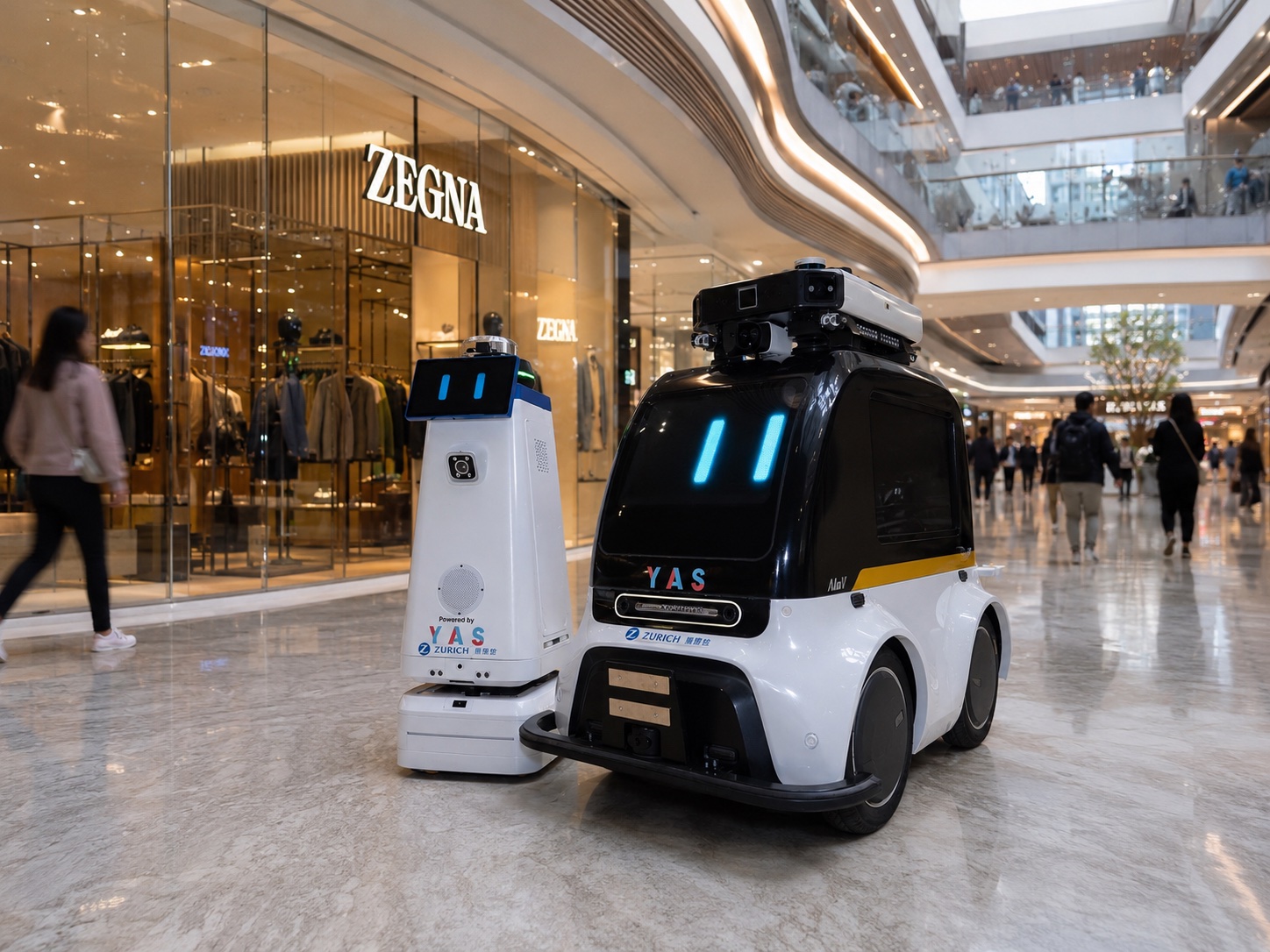
Axonex runs 100 security-patrol robots across Hong Kong properties. YAS reads what each robot is doing; YAS Assurance sits on top of Zurich's standard cover and catches the rare, severe failures a normal policy was never written for — eight of them.
Tail-risk layer above Zurich's Humanoid Safe Deployment Program
The gap
Standard insurance was built for mechanical failure on one unit. But one bad firmware push can take down an entire fleet at once; 'the robot chose a harmful path' is disputed territory no policy was written for; and downtime, recalls and regulatory shutdowns can run far past a standard policy's caps and waiting periods.
The approach
YAS Assurance is a protection pool, not a policy. Each robot streams what it's doing — patrol hours, navigation faults, collisions, sensor health, software version — straight to YAS. Usage is measured against what was agreed, risk is scored for both pricing and day-to-day operations, and a defined set of severe events pays out from a dedicated reserve anyone can audit. It sits on top of Zurich's Humanoid Safe Deployment Program.
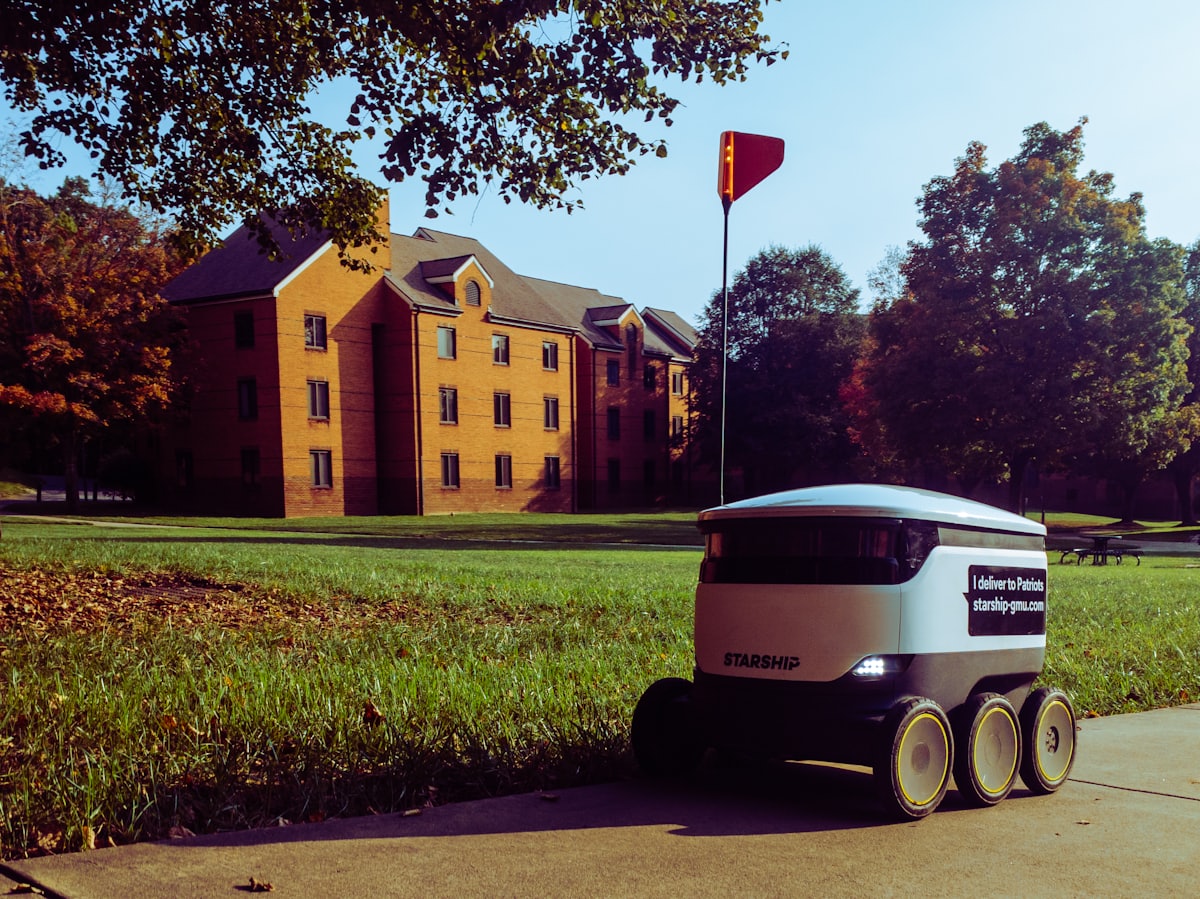
How it works
Each Axonex unit pushes operational data directly to YAS — no central platform in between.
Actual patrol hours and missions are metered against contracted bands; baseline score prices, live score runs ops.
The pool covers the fleet-wide, autonomous and regulatory failures a standard policy excludes or caps.
Defined ratios, caps and waiting periods — with telemetry-driven alerts to intervene before a loss.
In detail
One root cause — a bad firmware push, a shared defect — takes down many robots at once.
The robot's own decision-making causes harm despite working sensors.
A breach turns into physical damage, disruption or data exfiltration.
Disruption runs past the standard policy's business-interruption cap.
A claim exceeds the per-occurrence or aggregate limit.
A recall or regulatory order forces a fleet-wide retrofit or stand-down.
An authority suspends operations pending a safety review.
Privacy or facial-recognition errors create liability standard policies exclude.
Outcome
Operators get fleet-wide, autonomous and regulatory protection that standard cover leaves on the table — priced on real usage, backed by reserves they can verify, and paired with interventions that head off losses before they happen.
Tell us where risk shows up — we'll show you the data.