- About YAS
- Travel Insurance

- GPS Sport
- Lifestyle Protection
- Personalised Coverage
- YAS Robotics
- About Claim

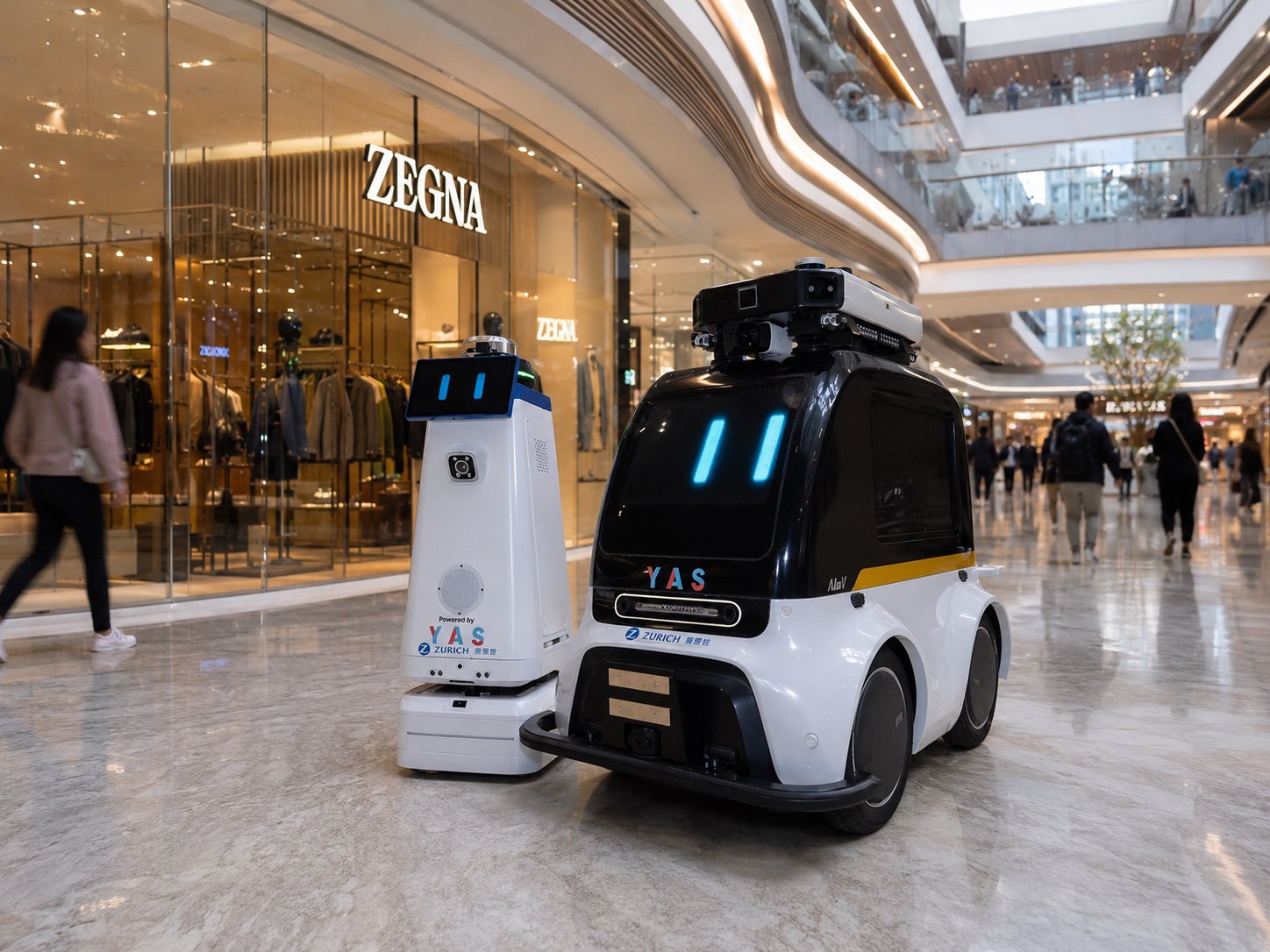
The reserve layer for a fleet of autonomous robots.
AIMO runs 100 security-patrol robots across Hong Kong commercial properties. YAS reads their telemetry; YAS Assurance sits on top of Zurich's standard cover as the tail-risk layer — built for eight failure modes a normal policy was never written for.
A fleet of autonomous robots fails differently from a single machine.
Standard insurance was built for mechanical failure on one unit. But one bad firmware push can take down an entire fleet at once; 'the robot chose a harmful path' is disputed territory no policy was written for; and downtime, recalls and regulatory shutdowns can run far past a standard policy's caps and waiting periods.
A reserve-backed pool, priced on what each robot is actually doing.
YAS Assurance is a protection pool, not a policy. Each robot streams telemetry — patrol hours, navigation faults, collisions, sensor health, software version — straight to YAS. Exposure is metered against contracted bands, risk is scored for pricing and live operations, and a defined set of tail-risk events settles from a dedicated, verifiable reserve. It layers on top of Zurich's Humanoid Safe Deployment Program.
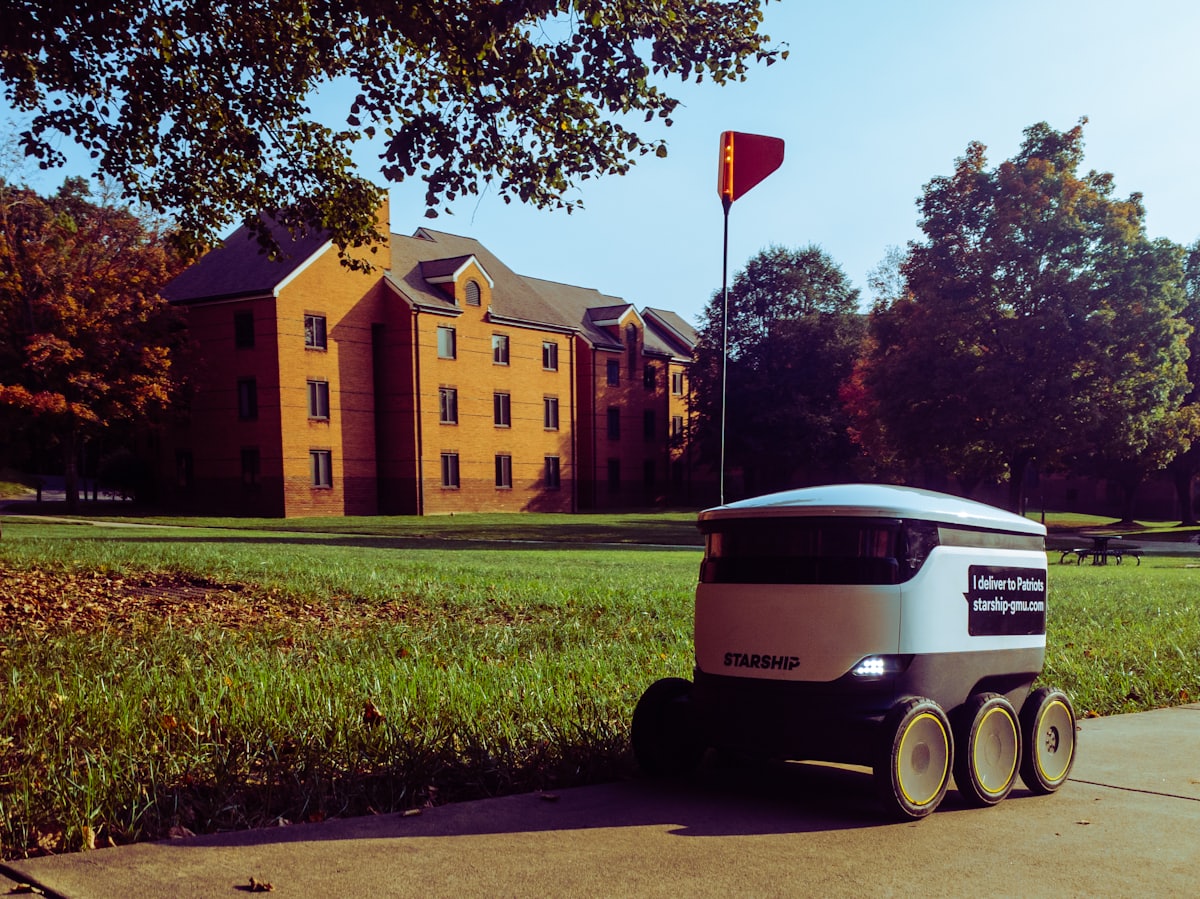
Stream robot telemetry
Meter exposure & score risk
Cover eight tail-risk events
Settle from reserve
Eight failure modes a standard policy won't touch
Correlated fleet failure
Autonomous navigation failure
Cyber-physical incident
Extended downtime
Excess liability
Fleet recall & remediation
Regulatory shutdown
Surveillance & data liability
Coverage for the risks that actually keep a robotics deployment up at night.
Operators get fleet-wide, autonomous and regulatory protection that standard cover leaves on the table — priced on real usage, backed by reserves they can verify, and paired with interventions that head off losses before they happen.